The fastest clock in the sky
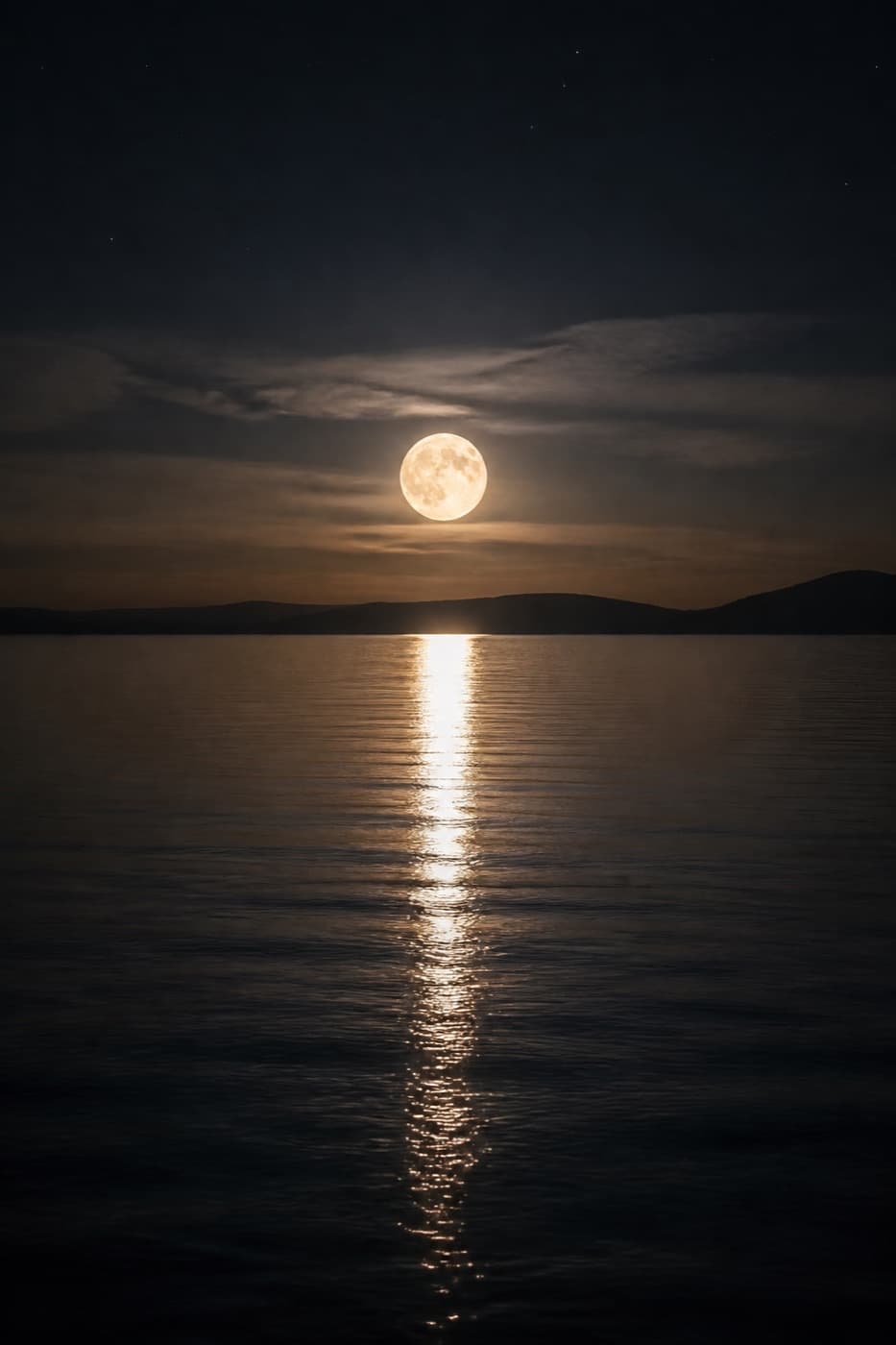
The Moon changes rashi about every two and a half days and nakshatra about once a day. Its speed makes Chandra gochara useful for short periods rather than long predictions. It may describe changes in sleep, appetite, mood, visits, family attention, or the emotional effect of a conversation. A personal reading counts the transit from the lagna and natal Moon and places it within the dasha already running.
What a Moon transit tends to touch
The Moon signifies mind, mother, home, fluids, habit, and ordinary emotional experience. Crossing the natal Moon may make feelings more noticeable. Crossing the lagna may affect physical energy or how the day begins. Moving through the fourth house may increase attention to home and memory. These are short influences, not medical diagnoses or month-long predictions. The natal Moon, rashi, and nakshatra remain the lasting placements.
Do not ask a two-day sky to run a life
A Moon transit is too brief to explain a marriage, career, or entire year by itself. Slower grahas and dasha describe longer periods. A difficult Moon transit during a supportive dasha may describe a hard day, while a supportive Moon transit during a difficult dasha may provide temporary ease. A reading keeps the short transit and long period at their proper scales.
How to ask about a Moon transit here
A reading compares Chandra gochara with your natal Moon, lagna, houses, and current dasha. Bring your date, exact time, and place of birth, then ask about sleep, family, mood, home, or another short-term concern you are experiencing this week.